Wood vs. Vinyl vs. Aluminum: Which Fence Material Survives the Local Climate Best?
A practical look at how Wisconsin winters and humid summers treat the three most common fence options
Choosing a fence involves more than deciding what looks good around your yard. In Shorewood, WI, where winters can bring freezing temperatures, snow, and ice while summers bring humidity and rain, your fence needs to handle changing weather throughout the year. The material you choose can affect how often you perform maintenance, how long your fence lasts, and how well it fits your property.
Wood, vinyl, and aluminum are popular options, but each offers different advantages. Understanding how they compare can help you invest in a fence that suits your home, outdoor space, and long-term plans.
Wood Fencing: Natural Beauty and Traditional Appeal
Wood fencing remains a favorite for homeowners who want a classic look that complements traditional homes, gardens, and landscaped yards. It offers flexibility in height, design, and privacy, making it suitable for everything from decorative front yard borders to enclosed backyards.
However, Wisconsin's changing weather can be hard on wood. Moisture from rain and melting snow can encourage rot, while repeated freezing and thawing can contribute to cracking, splitting, and movement. Direct sunlight can also fade the finish over time.
Regular maintenance helps protect a wood fence. Depending on the wood species, exposure, and condition, you may need to clean, stain, or seal it periodically. Individual boards can usually be replaced when damaged, which makes repairs relatively straightforward.
Best for: Homeowners who value natural character, customizable designs, and the option to refresh the fence's appearance with a new stain or color.
Vinyl Fencing: Low Maintenance and Lasting Privacy
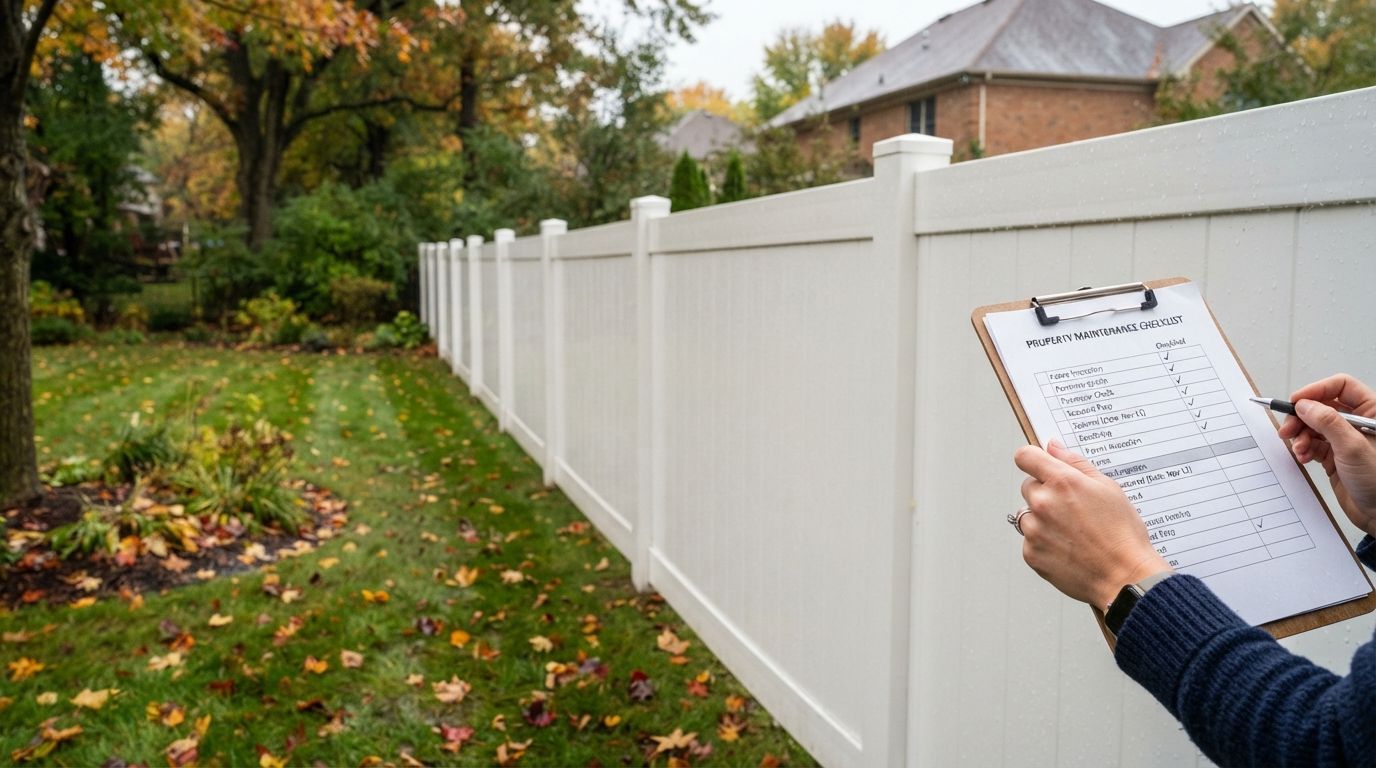
Vinyl fencing appeals to homeowners who want a clean, consistent appearance without the recurring staining or painting associated with wood. It is available in privacy, semi-privacy, and decorative styles, allowing you to create an enclosed backyard or define property boundaries.
Vinyl does not rot or attract wood-boring insects, and routine cleaning with water and a suitable cleaner is generally enough to keep it looking presentable.
Cold weather still deserves consideration. Vinyl can become more brittle in low temperatures, making impacts from heavy objects or improper handling more likely to cause cracks. Quality, proper installation, and following the manufacturer's specifications are important for long-term performance.
Vinyl can also expand and contract as temperatures change, so the fence must be installed with the appropriate allowances. Although the upfront cost may be higher than some basic wood options, reduced finishing requirements can make vinyl appealing over time.
Best for: Homeowners who prioritize privacy, a uniform appearance, and less routine maintenance.
Aluminum Fencing: Strength Without a Heavy Appearance
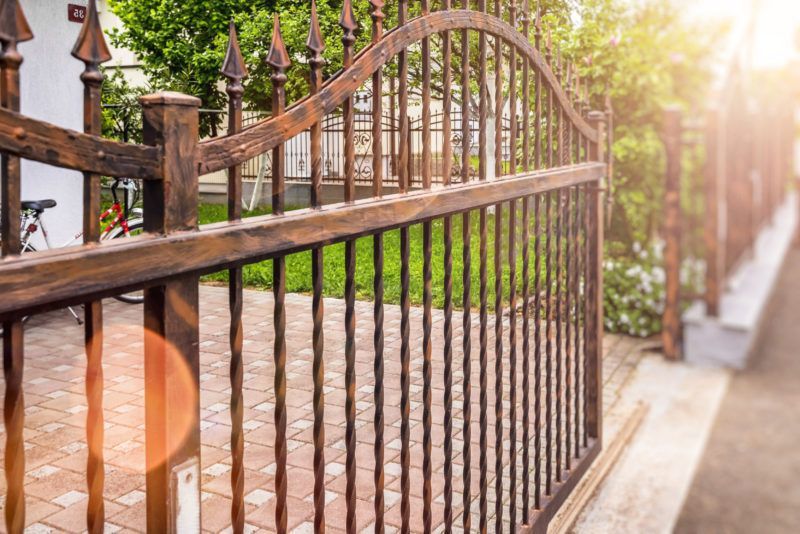
Aluminum fencing provides a more open look than a solid privacy fence. Its vertical pickets define property boundaries while allowing light and visibility through the yard. This makes it a popular choice for front yards, landscaped areas, and spaces where maintaining an open view matters.
Aluminum naturally resists rust, and many residential products feature protective finishes that help guard against weather exposure. Unlike wood, it does not require regular staining, and it generally needs only occasional cleaning and inspection.
One consideration is privacy. Traditional aluminum picket fencing does not block views or neighborhood noise. It may also be less suitable where a solid visual barrier is the main goal.
For Shorewood properties, aluminum can work particularly well around gardens, walkways, and decorative front yard spaces. As with any material, choosing a suitable product and having it installed correctly are important for long-term results.
Best for: Homeowners seeking a low-maintenance boundary fence that preserves visibility and complements landscaping.
How Wisconsin Weather Affects Your Fence
Shorewood's seasonal conditions make material selection especially important. Rather than focusing on one weather concern, consider how your fence will perform throughout the year.
- Winter snow and freezing temperatures: Snow accumulation, ice, and freeze-thaw cycles can affect fence posts, soil stability, and certain materials. Proper post installation and drainage help reduce problems.
- Spring rain and wet soil: Persistent moisture can accelerate wood deterioration and contribute to movement around poorly supported posts.
- Summer humidity and sunlight: Wood finishes may fade or deteriorate, while vinyl and aluminum can benefit from routine cleaning and inspection.
- Wind and storms: Fence height, panel design, post strength, and installation quality all influence stability. Solid privacy panels can experience considerable wind pressure.
No material is completely maintenance-free or immune to damage. A well-designed fence with appropriate materials and installation can, however, handle local conditions more reliably.
Which Fence Material Offers the Best Long-Term Value?
The cheapest initial price does not always mean the lowest overall cost. Consider the purchase price alongside installation, upkeep, repairs, and the expected service life of the specific product.
Wood may be attractive if you want a traditional appearance and are comfortable with periodic maintenance. Vinyl can be worth considering if you prefer privacy without regular staining or painting. Aluminum may offer strong value when you want an open design with minimal routine upkeep.
Your property's layout also matters. Slopes, existing landscaping, drainage conditions, and the amount of privacy you need can affect both installation costs and material suitability.
Before making a decision, ask for an itemized estimate that identifies the material, fence height, total linear footage, gates, post installation, and any site preparation. Compare warranties and maintenance recommendations rather than relying on advertised lifespan figures alone.
Find the Right Fence for Your Shorewood Property
The best fencing material is the one that meets your priorities while standing up to the conditions around your home. Wood offers warmth and flexibility, vinyl provides convenient privacy, and aluminum delivers an attractive boundary with an open appearance.
Shorewood Fence can help you explore fencing options for your property in Shorewood, WI. Consider how you use your yard, how much maintenance you are willing to handle, and what you want your fence to accomplish before choosing a material.
A thoughtful choice today can help you enjoy a more functional, attractive outdoor space for years to come.